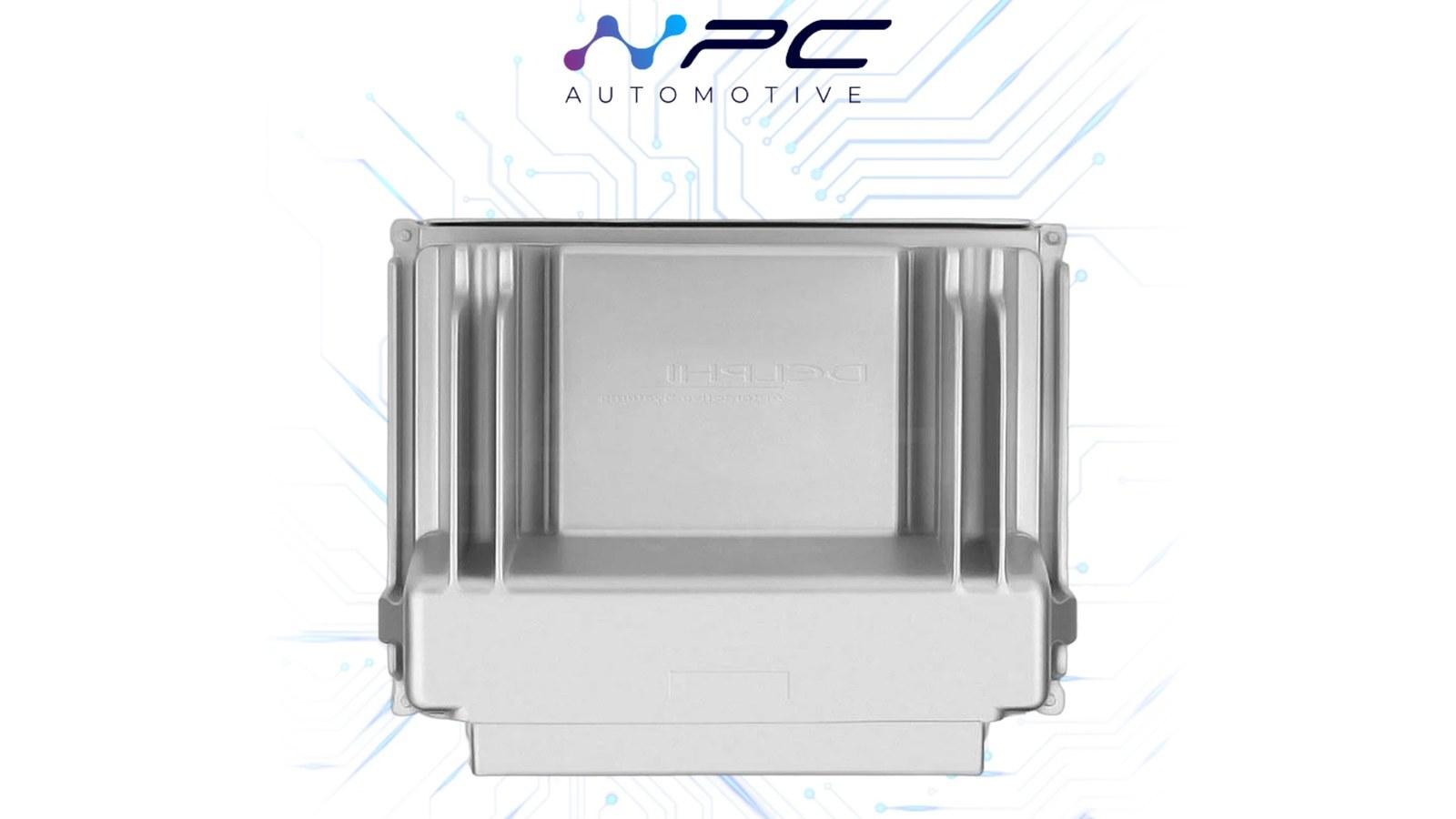
Short answer: on many Chevrolet and GMC vehicles, the anti-theft system only lets the engine have fuel when it recognizes a valid key. A new or used PCM that hasn't been matched to the vehicle's theft-deterrent system can start the engine and then let it stall, often with the security light flashing. GM's documents say to wait until the security light stops flashing before trying again, and after an engine computer replacement GM calls for programming the computer with its own software and running a Vehicle Theft Deterrent learn. That is a job for a dealer or a shop with GM-capable tools.
"New PCM, starts then dies" and "security light on, won't start" are some of the most common threads on Silverado, Tahoe and Impala forums. This guide sticks to what GM itself publishes, in its owner's manuals and service bulletins, plus cases owners have posted.
What Passlock does, in GM's words
GM's owner's manuals for the 2000 S-10 and the 2003 Silverado describe Passlock the same way: it is a passive theft-deterrent system that enables fuel if the ignition lock cylinder is turned with a valid key. If a correct key is not used, or the lock cylinder is tampered with, fuel is disabled.
That is why the symptom looks the way it does: the starter turns the engine, it fires, and then it stalls because the fuel is cut. GM's manuals tie it to the security light: if the engine stalls and the security light flashes, wait until the light stops flashing before trying to restart.
Real cases from owners
- Duramax pickup, PCM from another truck: the owner swapped in a PCM from a different truck and got a theft-deterrent code saying the signal was not correct. Forum members pointed him to a dealer reflash or a 30-minute learn procedure.
- 2000 Silverado Z71: the truck started and died immediately, over and over. After the owner waited a while, it fired right up and ran normally. Members suggested the Passlock system, which fits GM's own advice to wait for the security light before restarting.
Neither case was a bad engine. One was a computer that didn't match the truck's security system, and the other behaved the way GM describes a Passlock fuel cut.
The codes: P1631 and P1626
P1631 and P1626 are GM theft-deterrent trouble codes stored in the engine computer. When one of them shows up together with a flashing security light right after a PCM or ECM swap, it points to the computer and the theft-deterrent system not being matched yet. The exact definition varies by model year, so a shop reads it from GM's service information for your vehicle.
Step 1: Read the security light
GM's owner's manuals give three rules:
- Normal: on the 2000 S-10, GM says the light goes off about five seconds after the key is turned to RUN.
- Engine stalls and the light flashes: wait until the light stops flashing before trying again. The 2000 S-10 manual says that takes about 10 minutes. If the engine doesn't start after three tries, GM says the vehicle needs service.
- Light comes on while the engine is running: GM says the Passlock system isn't working properly and needs service, the vehicle isn't protected by Passlock at that time, and you may want to check the fuse listed in your owner's manual.
Step 2: Match the new computer to the vehicle
GM's bulletin PIC5037B for the 2006-2013 Impala and 2006-2007 Monte Carlo explains the matching. The theft-deterrent module and the engine control module exchange a password, and the engine computer only allows starting when the answer matches. GM notes that depending on the state of the system, the vehicle can have a no crank, no start, or a crank, start and stall.
With the original theft-deterrent module in place, the bulletin's steps for a new engine computer are:
- Program the new ECM with GM's Service Programming System (SPS).
- Perform a 10-minute Vehicle Theft Deterrent (VTD) learn.
On 2000-2007 Silverado and Sierra, 2000-2006 Tahoe, Suburban, Avalanche and Yukon, and 2002-2006 Escalade models, GM's bulletin PIT4093B refers to the same 10-minute "Vehicle Theft Deterrent - Learn" done with GM's scan tool, mentions a calibration called "Vehicle Theft Deterrent for Passlock sensor" on some of these vehicles, and also refers to a separate 30-minute theft relearn. Which procedure your vehicle needs depends on its system, so a dealer or a shop with GM-capable software looks it up and does it.
Should you bypass Passlock?
Searches for Passlock bypasses and resistor kits are common. A bypass removes your vehicle's theft protection. Matching the computer to the vehicle is the repair GM documents, and it keeps the theft-deterrent system working.
When the PCM really is the problem
If the security light goes off normally a few seconds after the key is turned to RUN, there are no theft-deterrent codes, and the engine still won't run, the problem is not Passlock. Then look at fuel, spark, sensors, power and ground, and that's when the PCM itself becomes a real suspect.
Frequently asked questions
How do I reset the security light on my Chevy?
If the engine stalled and the light is flashing, GM's advice is to wait until it stops flashing, which the 2000 S-10 manual puts at about 10 minutes, then try again. If the engine doesn't start after three tries, GM says the vehicle needs service.
Does a new GM ECM need to be programmed?
Yes. On the Impala and Monte Carlo it covers, GM's bulletin PIC5037B programs a replacement ECM with GM's Service Programming System and then runs a 10-minute Vehicle Theft Deterrent learn so the computer and the theft-deterrent system match. Other models follow GM's service information for that vehicle.
What does P1631 mean?
It is a GM theft-deterrent code stored in the engine computer. After a PCM or ECM swap, together with a flashing security light, it points to the computer and the theft-deterrent system not being matched yet. A shop reads the exact definition for your model year from GM's service information.
Can I use a PCM from another truck?
Only if it is the right part for your vehicle and is programmed and matched to it. The Duramax case above shows what happens when a PCM from another truck goes in without that step.
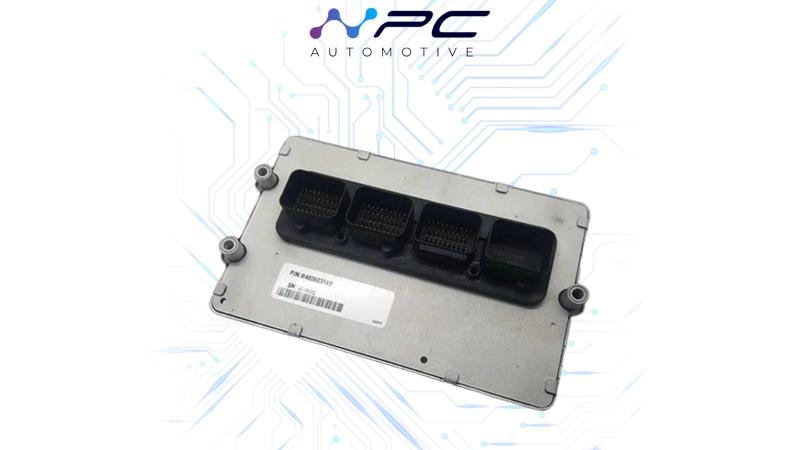
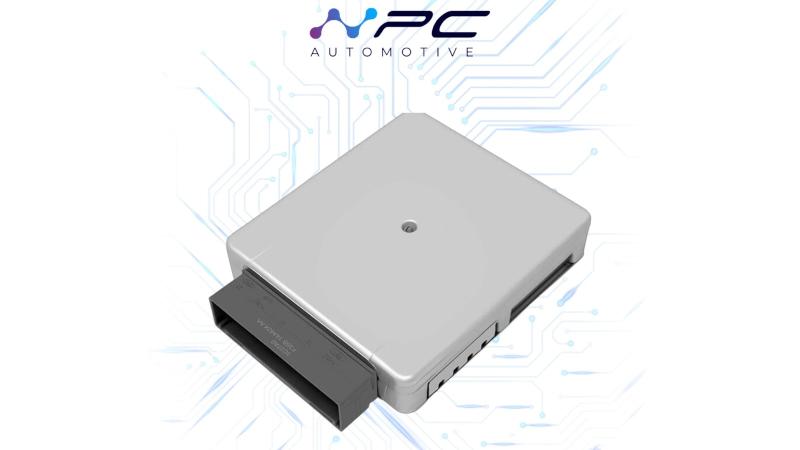
Chevrolet and GMC PCMs from NPC Automotive Computers
Every NPC unit is remanufactured and programmed before it ships. Order with your VIN and the part number from the label on your old PCM, so the replacement matches your vehicle. After install, plan for the theft-deterrent learn: a dealer or a shop with GM-capable tools matches the computer to your vehicle, as described in Step 2. Not sure which PCM fits? Call us before you order and we'll check it with you.